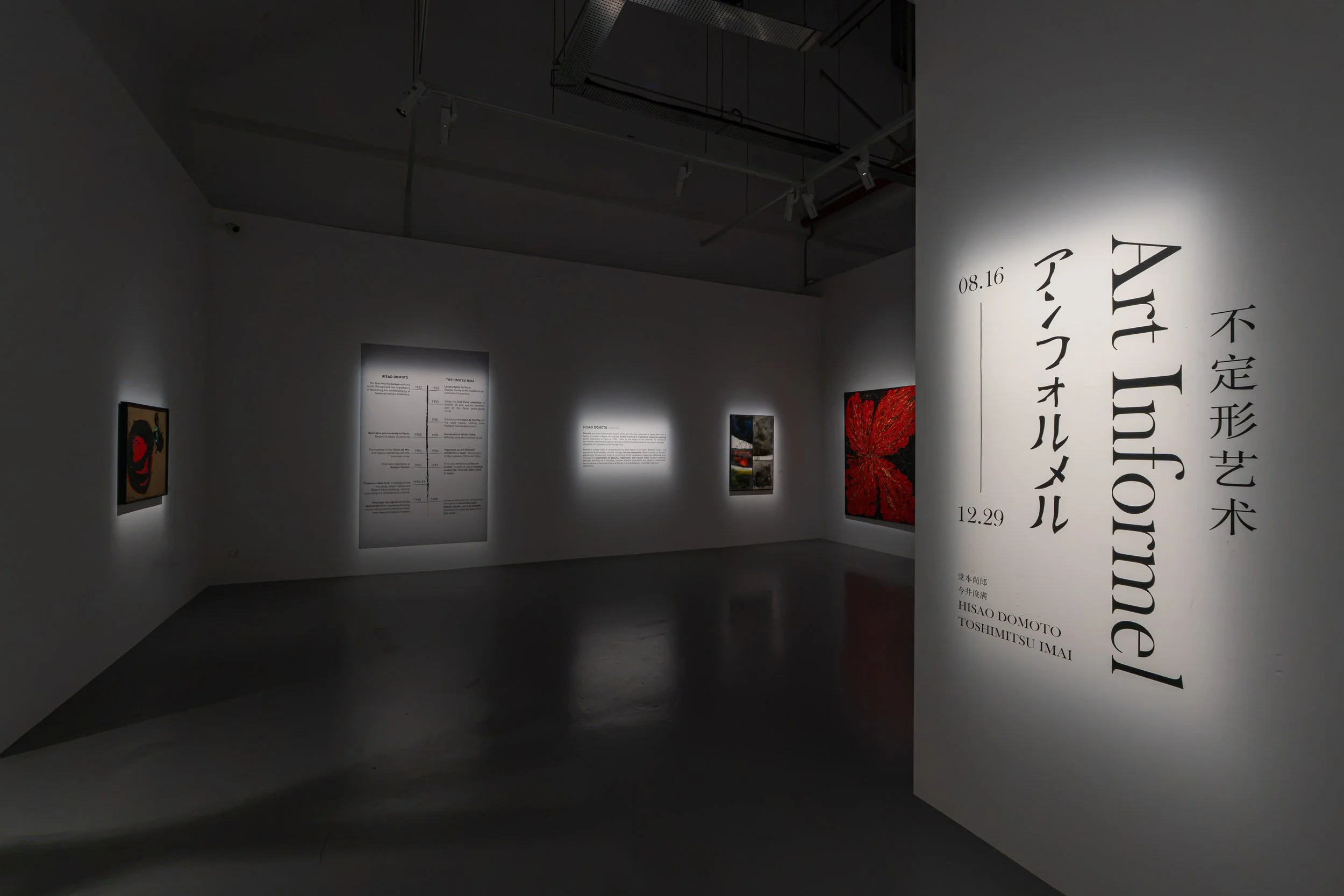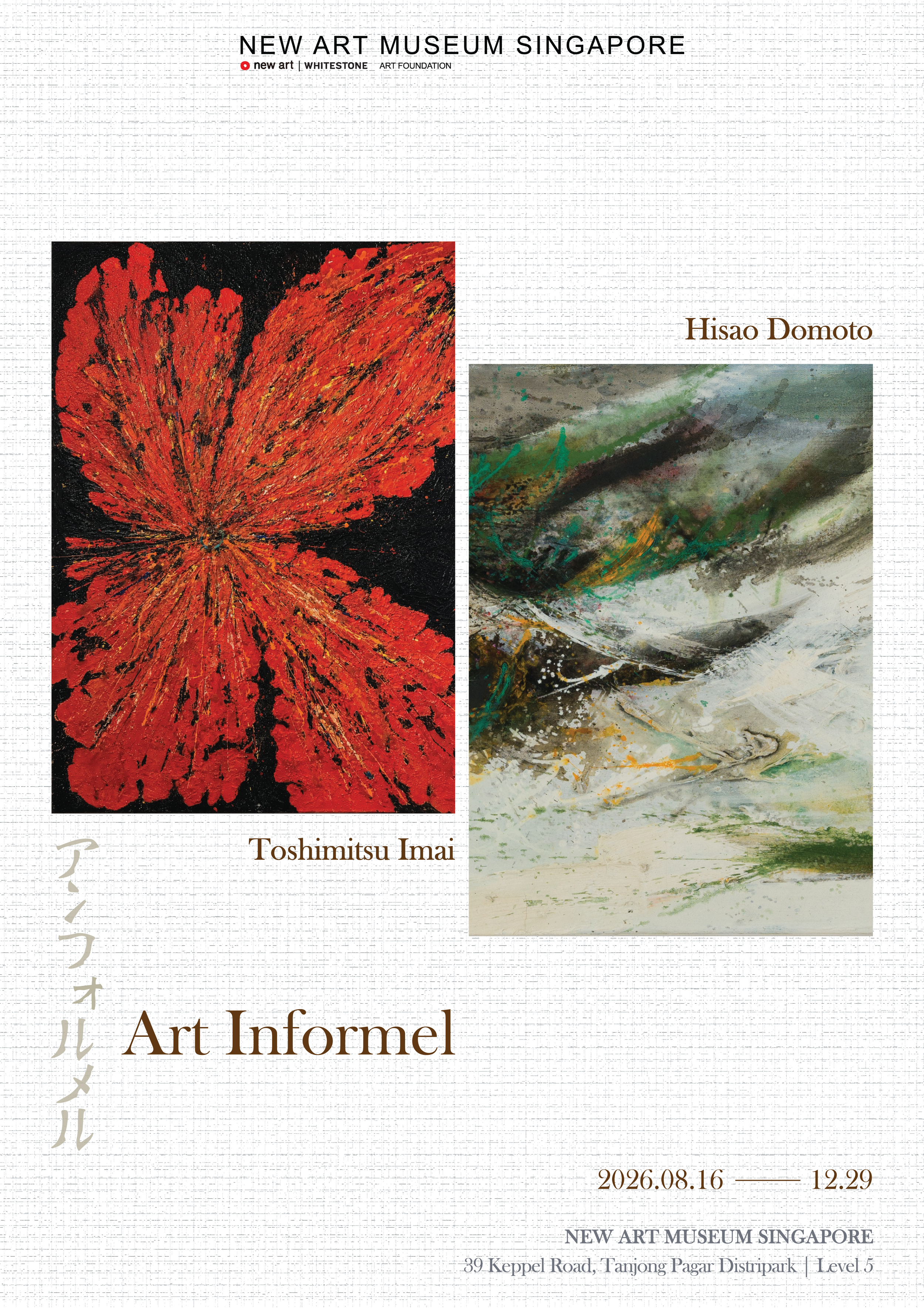
Art Informel: Hisao Domoto and Toshimitsu Imai
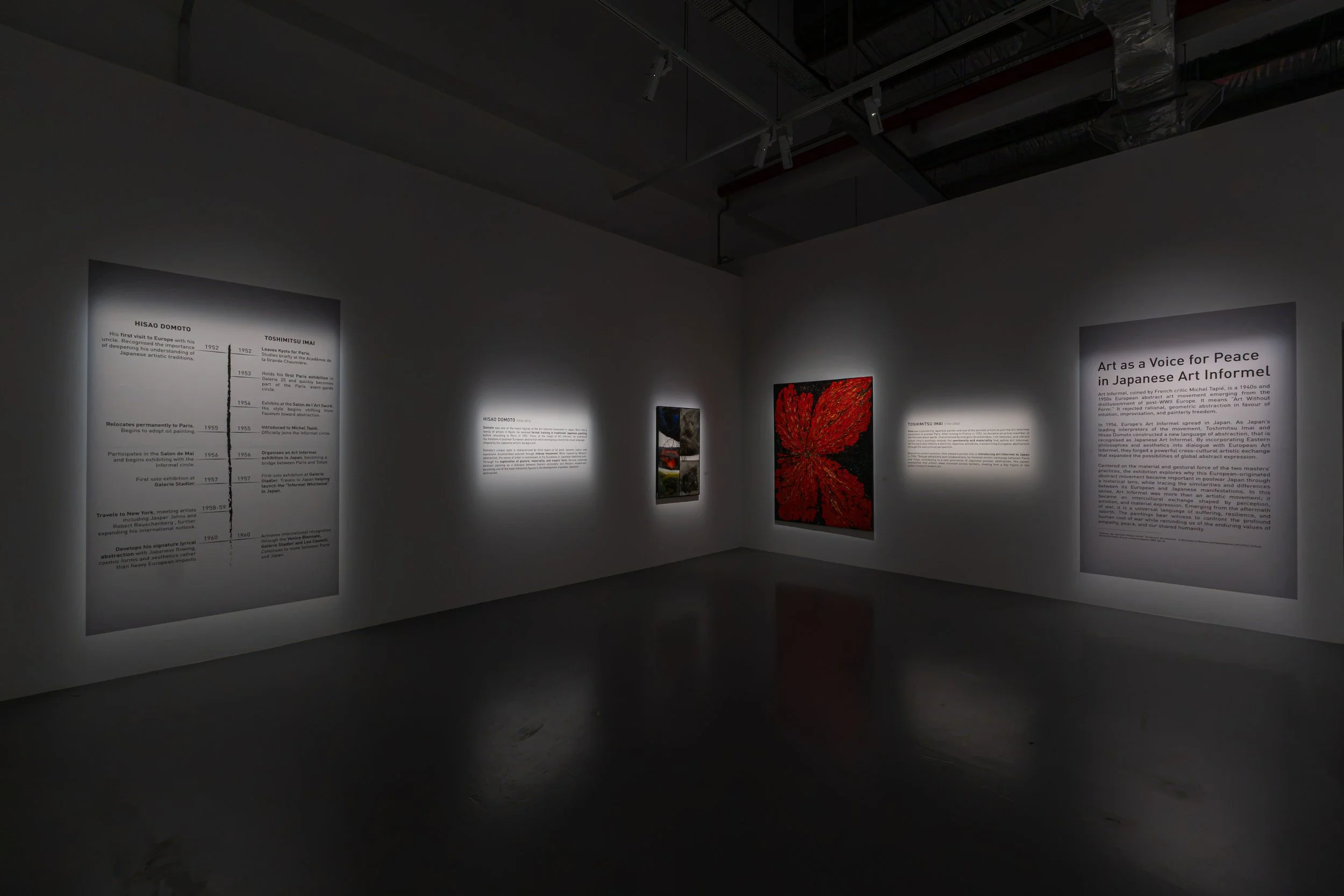
Art as a Voice for Peace in Japanese Art Informel
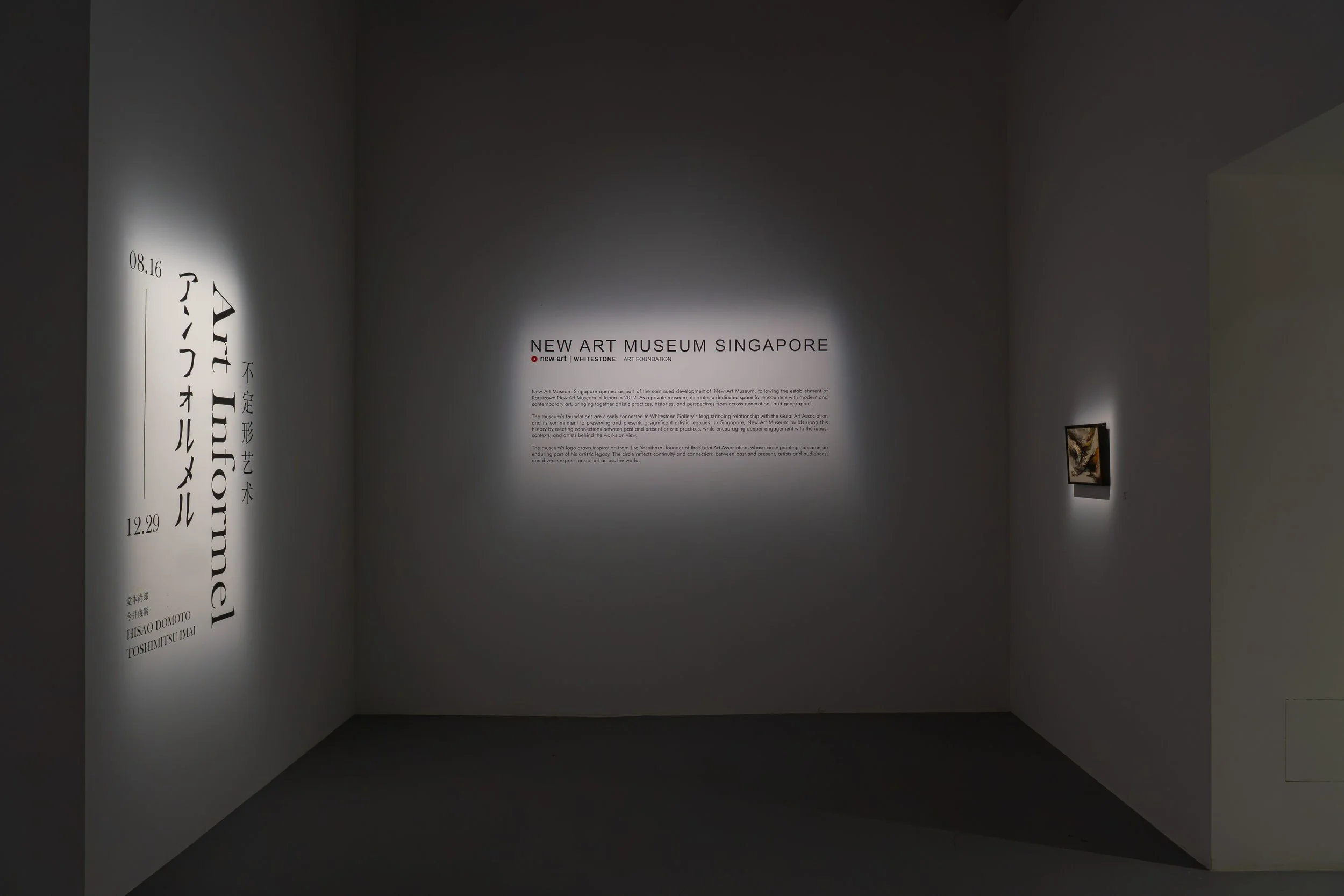
New Art Museum Singapore
16 August 2026 - 29 December 2026
Tickets available on-site
Overview
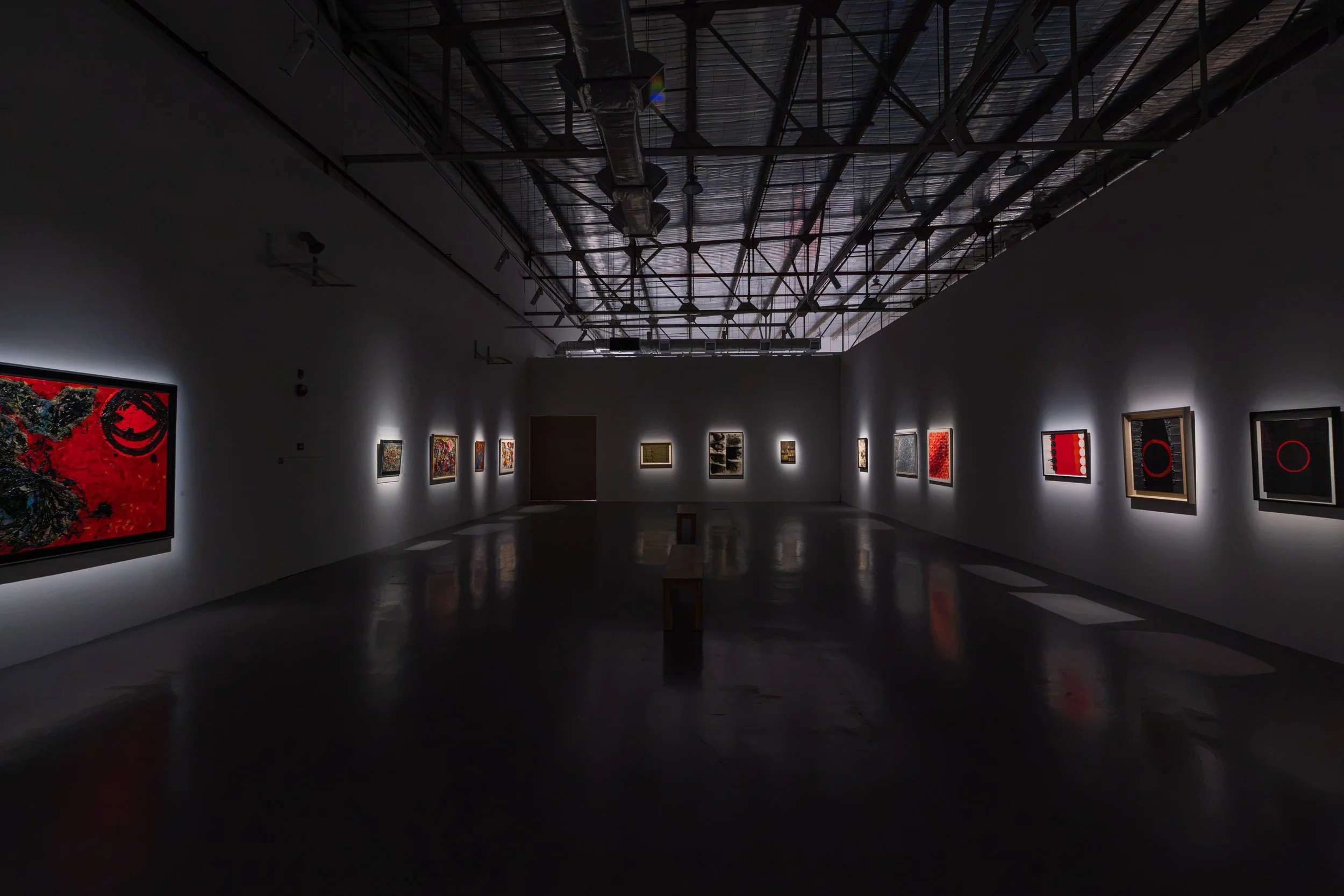
This exhibition reveals a significant historical lens of the Japanese Art Informel movement that formed the baseline of Whitestone Gallery’s 1967 foundation, and aligned with our core motto “Art as a Voice for Peace.”
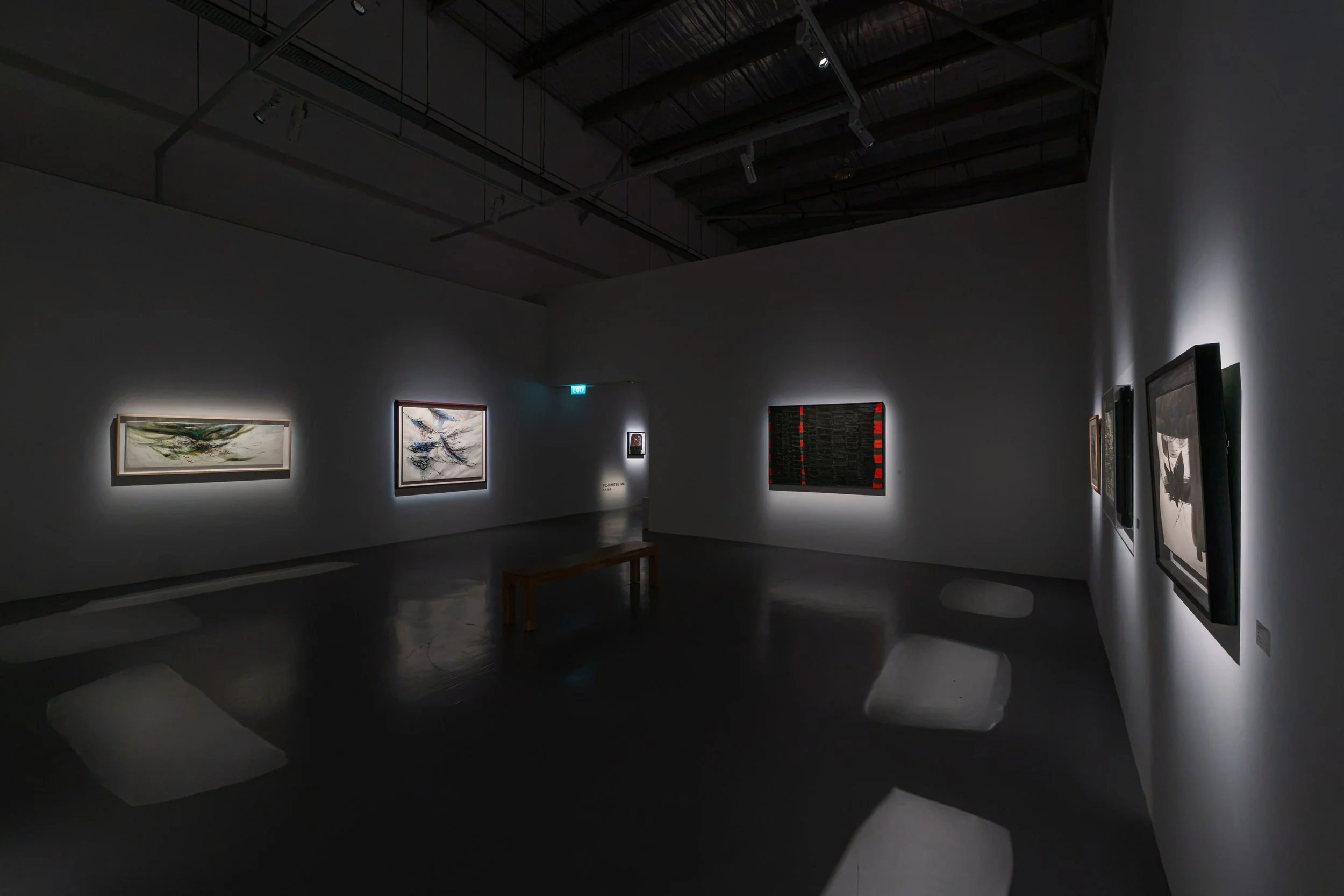
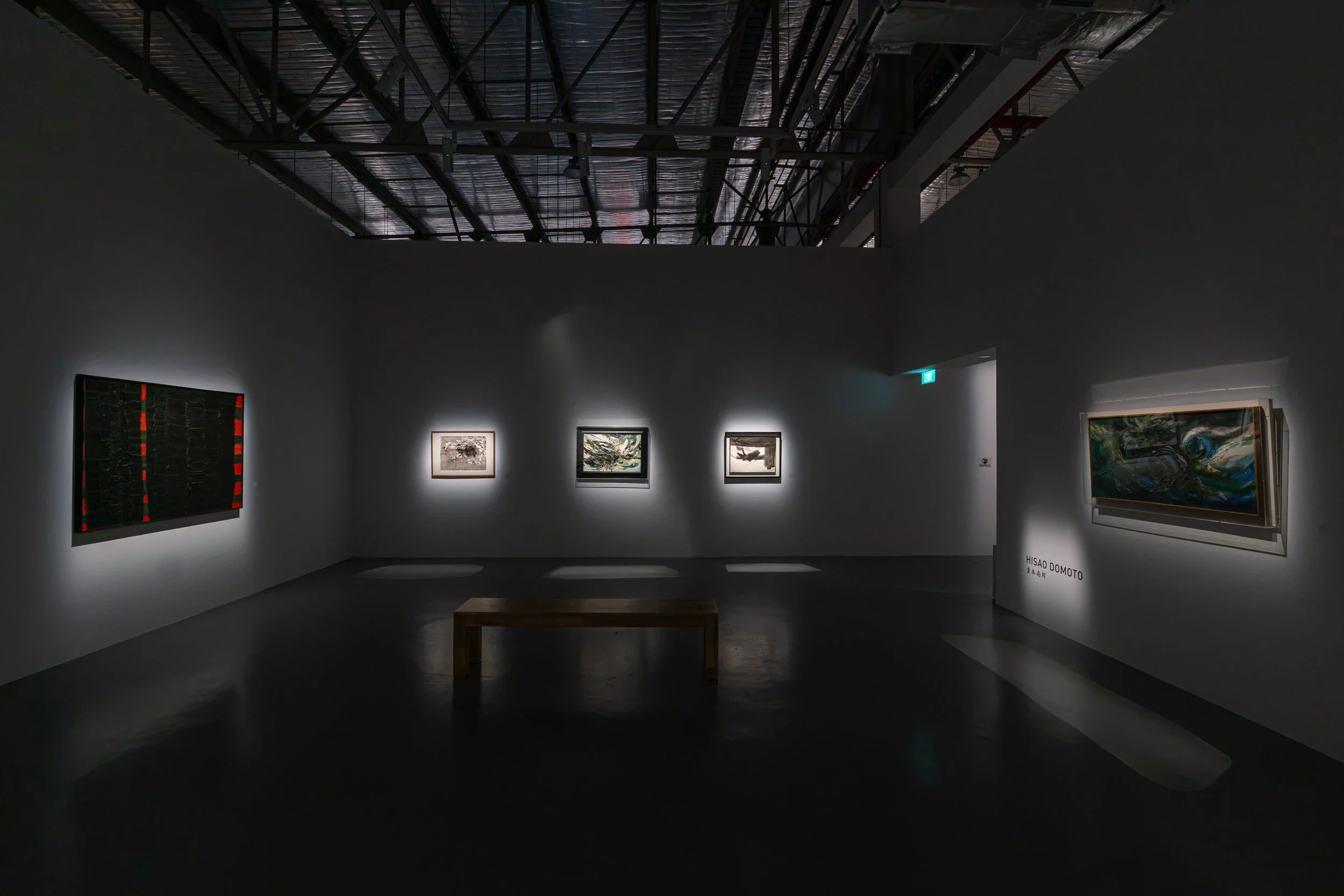
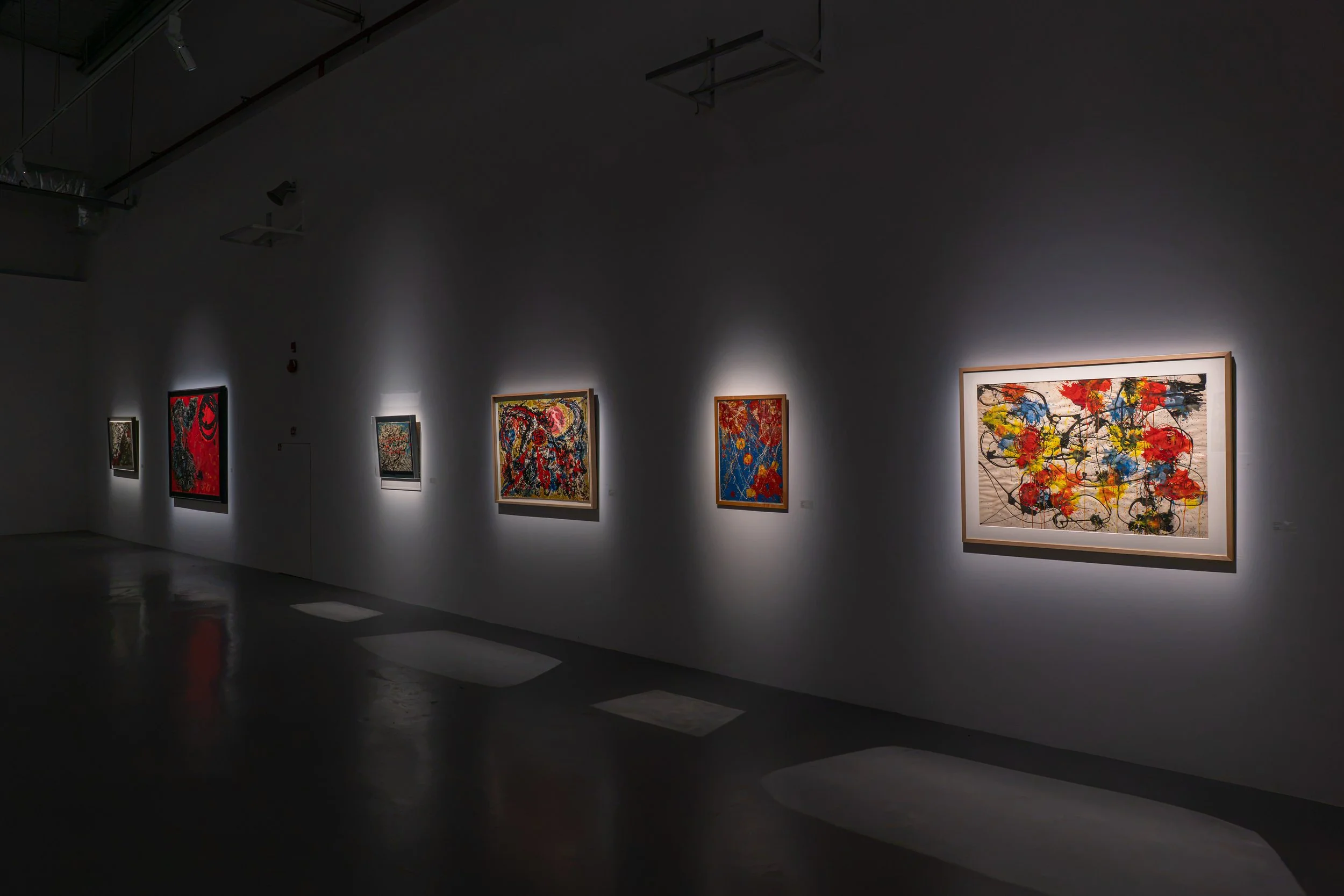
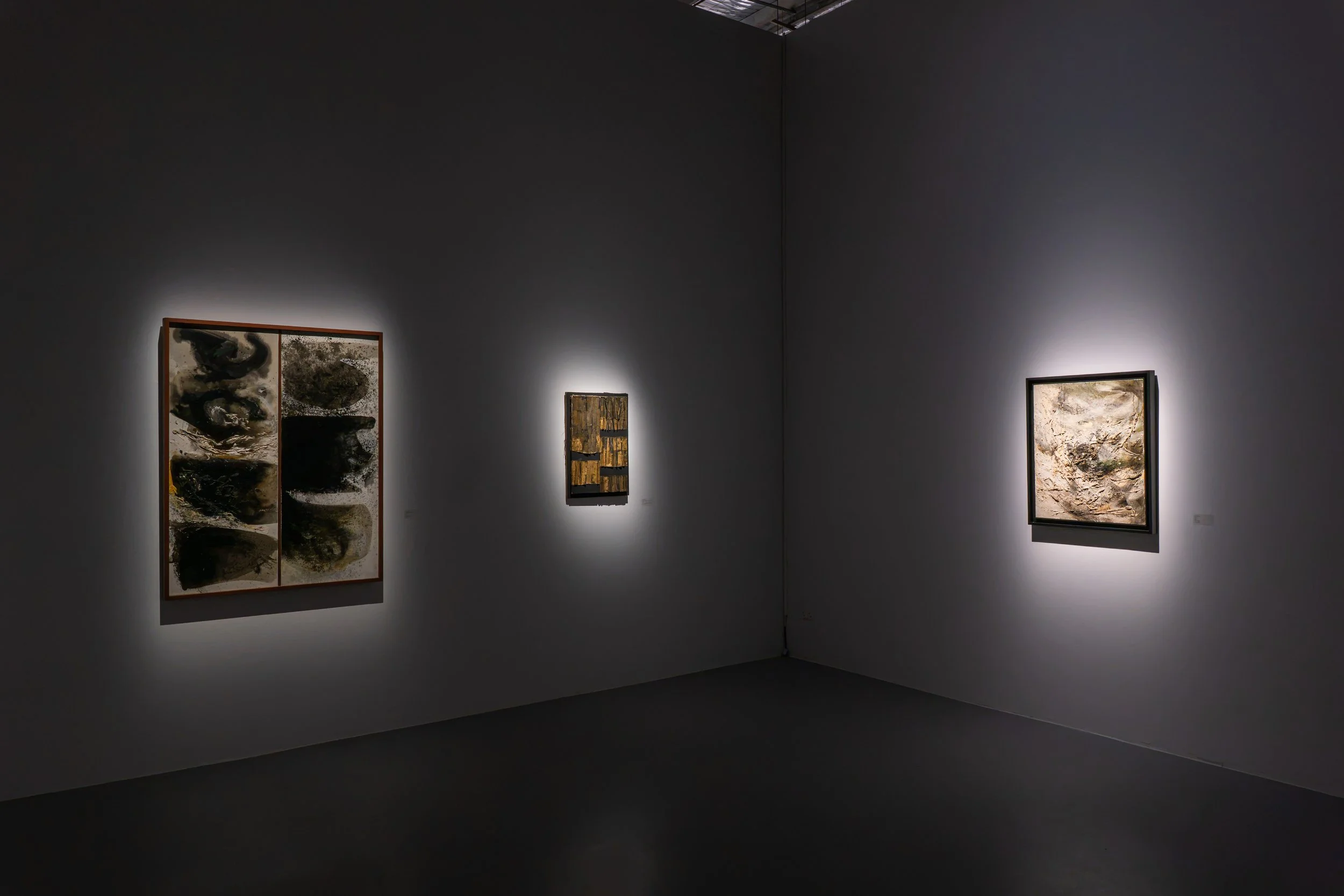
This inaugural exhibition focuses on the raw, tactile intensity of the main masters of Art Informel in Japan, Hisao Domoto and Toshimitsu Imai. As Japan’s leading interpreters of Europe’s Art Informel ("Art Without Form") movement, both artists challenged conventional artistic structures and constructed new language of abstraction.
Centered on the material and gestural force of Hisao Domoto and Toshimitsu Imai’s practices, the exhibition explores how this European-originated abstract movement, coined by French critic Michel Tapié in 1950, became important in Japan through a historical lens. Emerging from the disillusionment of post-WWII Europe, Art Informel rejected the rational, geometric abstraction of the era in favor of raw intuition, improvisation, and pure painterly freedom. In the 1950s, Domoto and Imai relocated to Paris, where they immersed themselves in the intellectual orbit of this movement. By incorporating Eastern philosophies and aesthetics into dialogue with European Art Informel, they forged a powerful cross-cultural artistic exchange that expanded the possibilities of global abstract expression.
In this sense, Art Informel was more than an artistic movement; it became an intercultural exchange shaped by perception, emotion, and material expression. Emerging from the aftermath of war, it is a universal language of suffering, resilience, and rebirth. Their paintings bear witness to confront the profound human cost of war while reminding us of the enduring values of empathy, peace, and our shared humanity.
By reflecting on this history, the exhibition also encourages us to reconsider violence and war in relation to the contemporary world.
Artists
Hisao Domoto (1928 - 2013, Japan)
Hisao Domoto was one of the major figures of the Art Informel movement in Japan. Born into a family of artists in Kyoto, he received formal training in traditional Japanese painting before relocating to Paris in 1955. There, at the height of Art Informel, he embraced the freedom of postwar European abstraction while developing a distinctive visual language shaped by his Japanese artistic background.
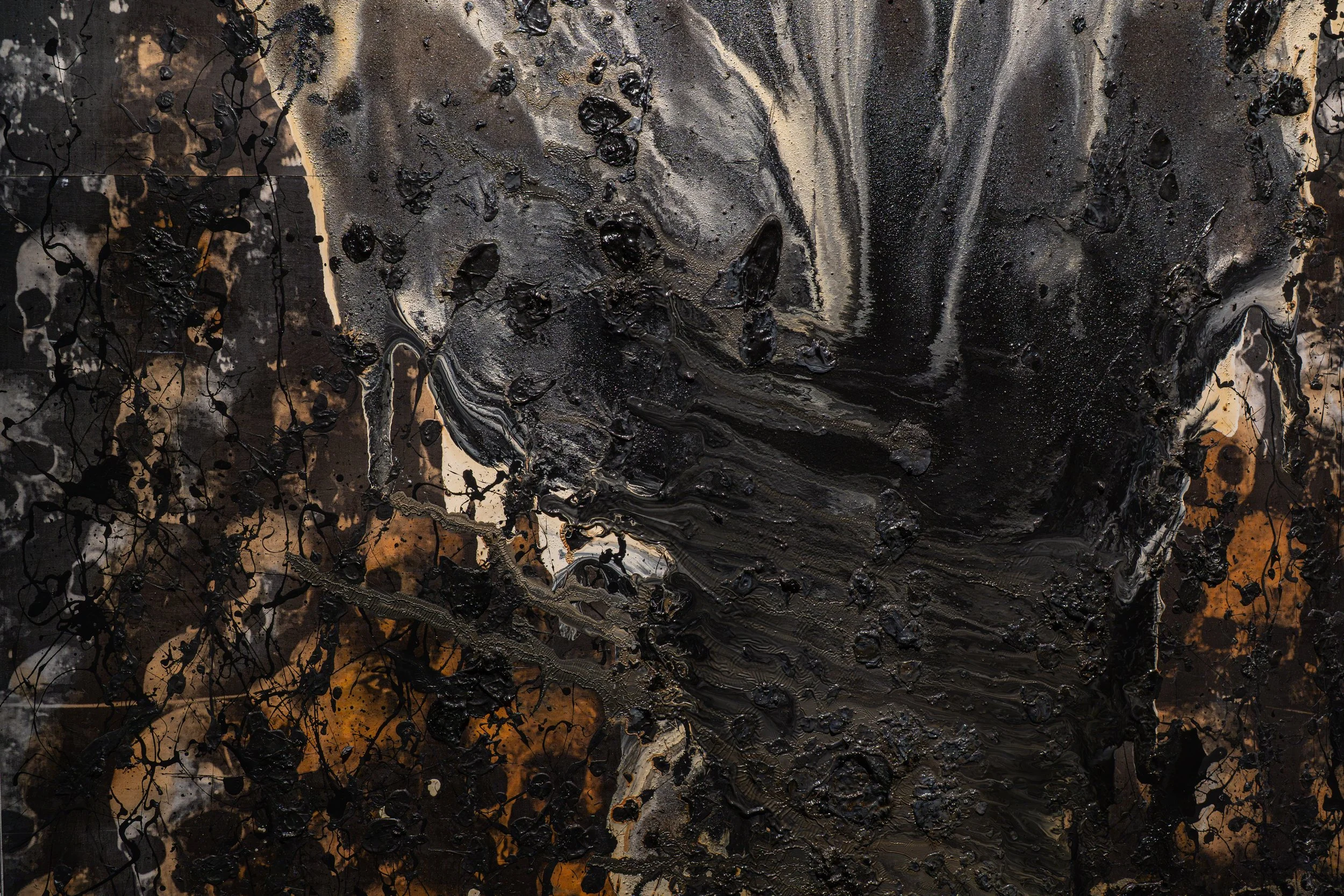
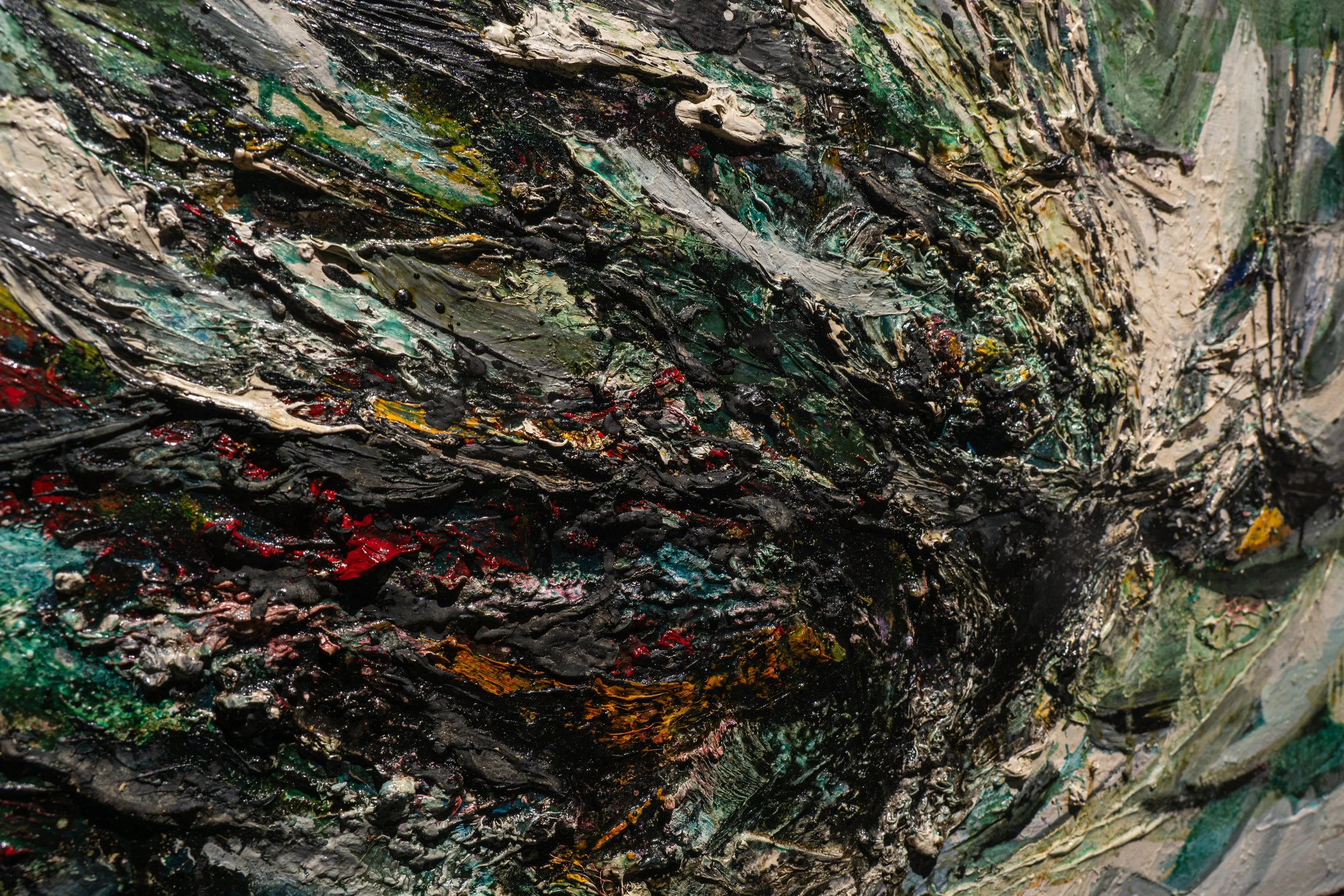
Domoto's unique style is characterised by thick layers of oil paint, dynamic colour, and expressive brushstrokes enacted through intense movement. While inspired by Western abstraction, his sense of order is reminiscent of his foundation in Japanese traditional arts. Through his exploration of gesture, materiality, and organic form, Domoto redefined abstract painting as a dialogue between Eastern philosophy and Western modernism, becoming one of the most influential figures in the development of postwar Japanese abstraction.
Toshimitsu Imai (1928 - 2002, Japan)
Toshimitsu Imai was a pioneering Japanese painter and one of the earliest artists to join the Art Informel movement in postwar Paris. After moving to France in 1952, he became an active member of the Parisian avant-garde. Characterised by enegetic brushstokes, rich textures, and vibrant colour, Imai's paintings embody the spontaneity and materiality that define Art Informel. Yet his work also reflects a distinctly Japanese sensibility, transforming European abstraction through his own cultural perspective.
Beyond his artistic practice, Imai played a pivotal role in introducing Art Informel to Japan in 1956. Through exhibitions and collaborations, he fostered artistic exchange between Paris and Tokyo, contributing to a new generation of Japanese postwar abstraction. His career exemplifies how artistic ideas travelled across borders, making him a key figure in the global history of modern art.